

BY LMG TOURING & ENTERTAINMENT | OCT 5, 2026 | ARTICLES
Train's front-of-house engineer, Jason Moore, on mixing with L-Acoustics Source Intelligence.
This summer, Train hit the road for Drops of Jupiter: 25 Years in the Atmosphere, a coast-to-coast run marking a quarter century of the Diamond-certified title track. LMG delivered the full production package for the tour, audio included, and that audio package became the proving ground for one of the most talked-about tools in live sound right now: L-Acoustics Source Intelligence. At front of house, engineer Jason "J-Mo" Moore put it to work on Pat Monahan's lead vocal night after night.
Moore is no newcomer to a demanding vocal. He has run front of house for Train for more than 13 years, part of a touring career that began in 1997 and has since taken in Sister Hazel, Seven Mary Three, Collective Soul, Kenny Wayne Shepherd, and Selena Gomez. When an engineer with that kind of mileage says a tool changed the way he works, it is worth paying attention.
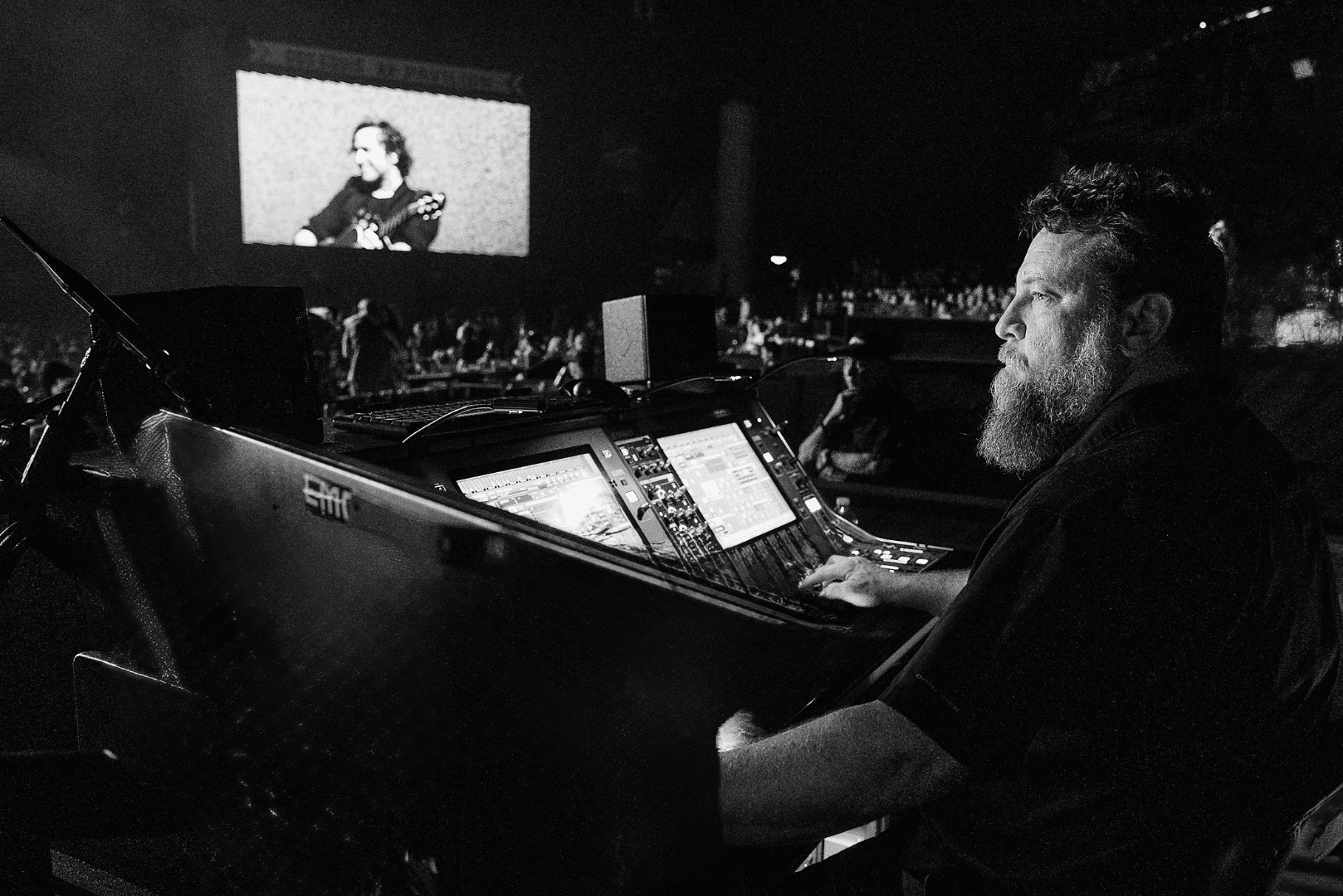
Every live engineer knows the two things that fight a vocal mic: bleed from the rest of the stage, and what happens when a singer walks toward the PA. Most just learn to live with them. For Moore, the chance to leave them behind was the whole reason to try it.
“Mic bleed and speaker proximity have been issues since the dawn of time in the live music industry. I jumped at the chance to tour without those two factors haunting the recesses of my mind.”
— Jason “J-Mo” Moore, FOH Engineer, Train
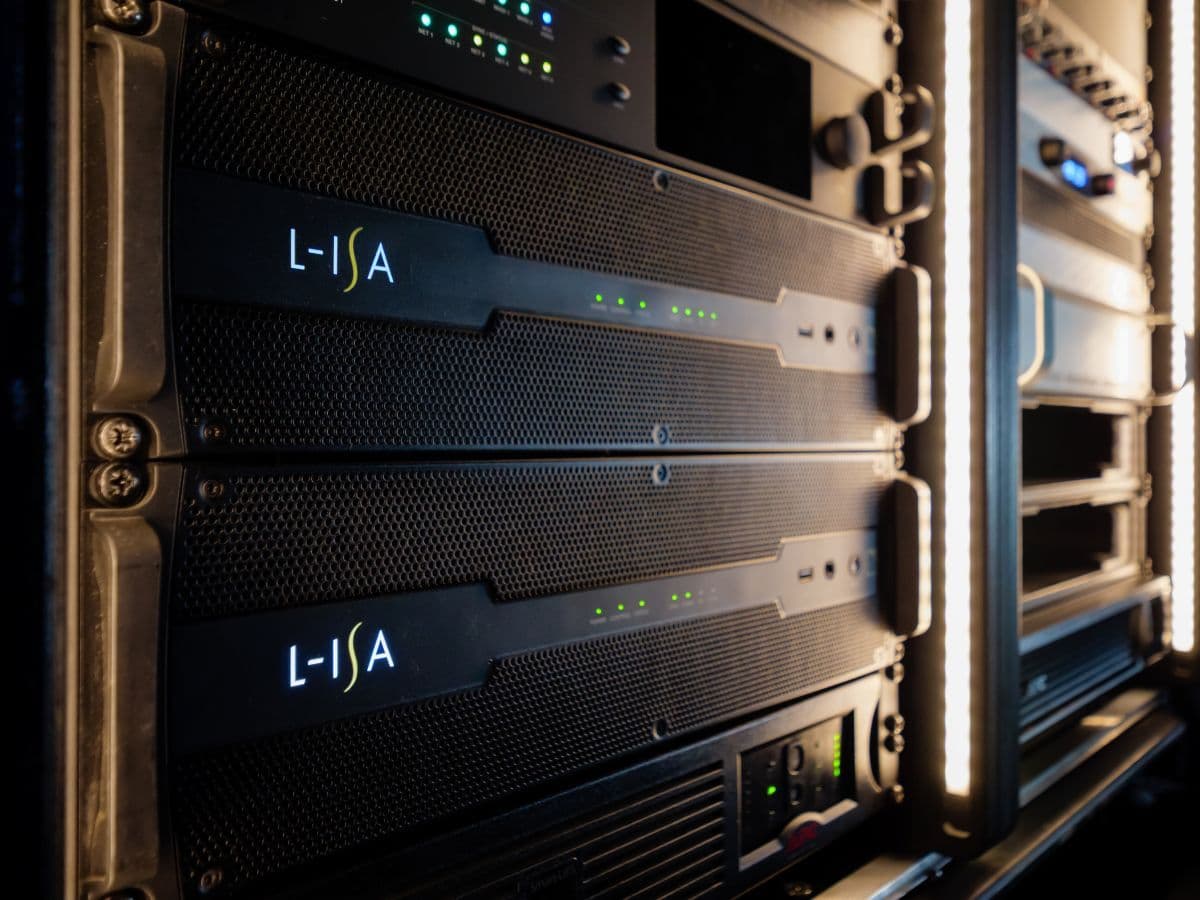
Source Intelligence is L-Acoustics' real-time vocal enhancement engine. It pulls stage bleed and room off the mic while leaving the voice itself intact, and it runs with low enough latency to sit inside a live mix. Moore's first encounter with it in rehearsal was not subtle. "Honestly, disbelief," he said. "I was so used to hearing my virtual playback vocals with stage bleed. To hear the same tracks with no bleed was insanity."
Dropping it into the FOH setup was straightforward. Routing was no different from any outboard gear through the console, and it came with a bonus Moore did not expect: he could leave the vocals unmuted through line check, which made communicating with the stage techs far easier. Downstream, the cleaner input tightened everything. His EQ and compression moves got more precise, and his reverb and delay returns cleaned up.
Where it earns its keep
The payoff showed up in exactly the moments that usually make an engineer flinch: a loud stage, an open mic, a singer drifting into the PA. In those situations, Moore says, it performs perfectly. "This is where it becomes a game changer for the industry. It allows you to focus more without having to watch out for your singer's movements around the stage." He can point to the exact moment it clicked, when Pat Monahan stepped in front of the right main hang and reflex took over before reason could catch up.
"I scrambled for his fader and pan, and then I thought to myself, hey, you don't have to do that anymore."
— Jason “J-Mo” Moore, FOH Engineer, Train
The result at the mix position was a rock-solid vocal with room to spare: almost endless gain before feedback on the main vocal, and enough headroom to push the background vocals without losing clarity. As for whether the band ever noticed the tech doing the work? "Nothing. They don't even know I exist."
Dialing in exactly how much
What makes Moore's endorsement land is that Source Intelligence gave him choices, not just a switch. For a musician who grabs a tambourine or harmonica on the same vocal mic, he built a bypass macro to swap it out on cue. On the drum vocal, he used the software's high/low mix feature to feed exactly as much bleed back in as the mix wanted, dialing it down at his own pace. Even the call to save it for full-band shows and let an intimate acoustic set breathe on its own is his to make. The tool bends to the mix, not the other way around.
"Imagine listening to a live vocal mic that's set up on the side of an interstate highway at rush hour, and then listening to one that's set up in a vocal booth. From chaos to clarity."
— Jason “J-Mo” Moore, FOH Engineer, Train
Learn more here: L-Acoustics Source Intelligence | Product | LMG


